
GMU Innovation Broker Participates in International Study Visit
29.05.2026 | 3 min. czytania
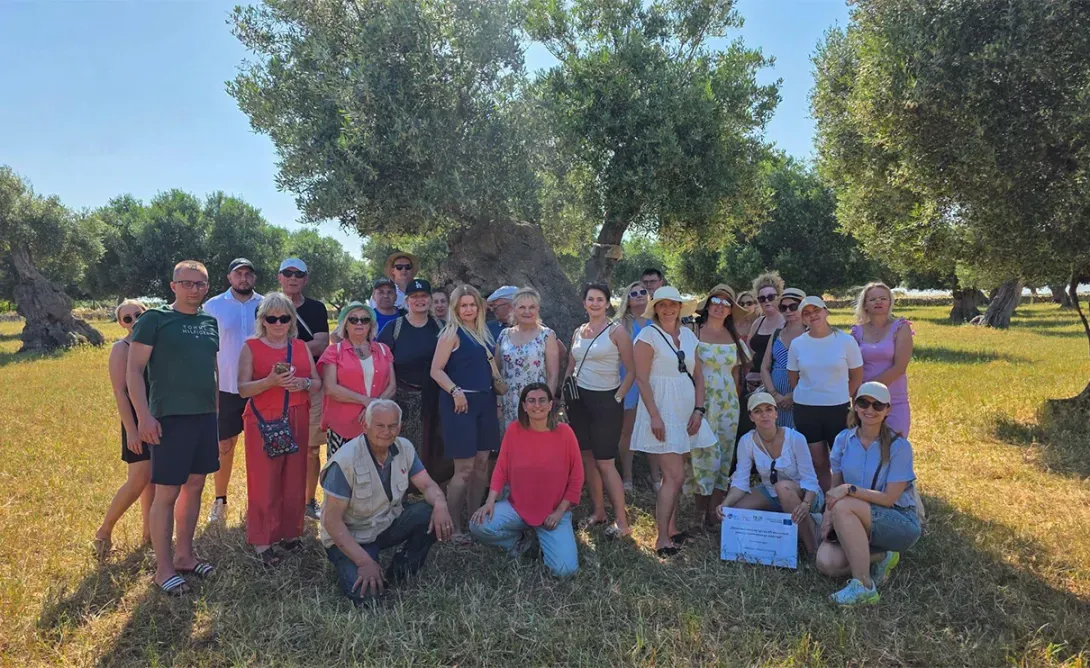
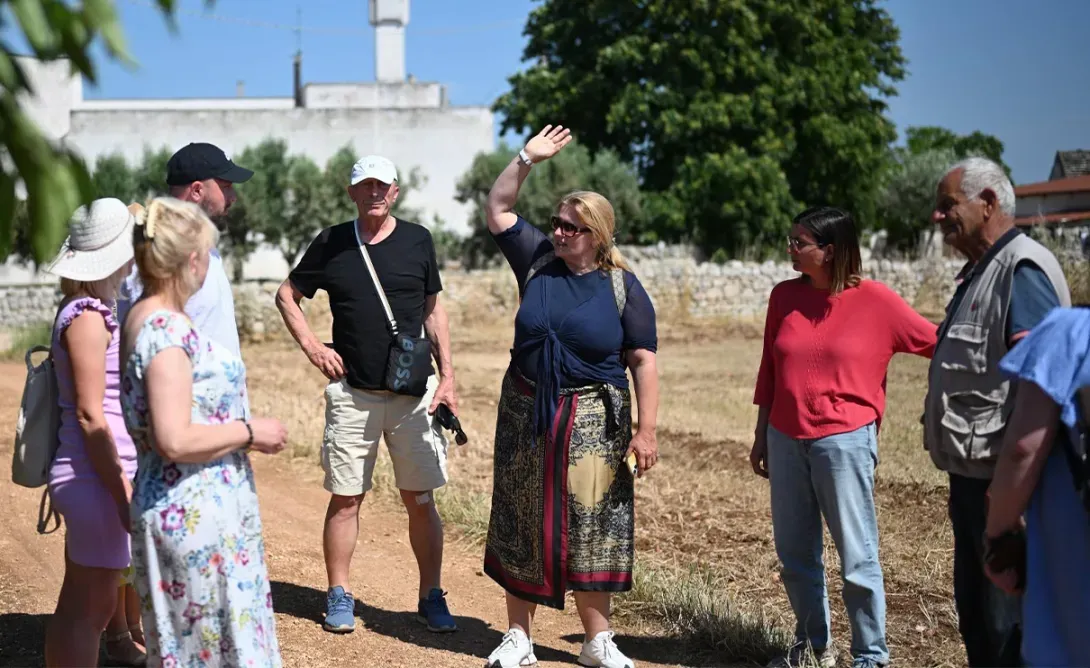
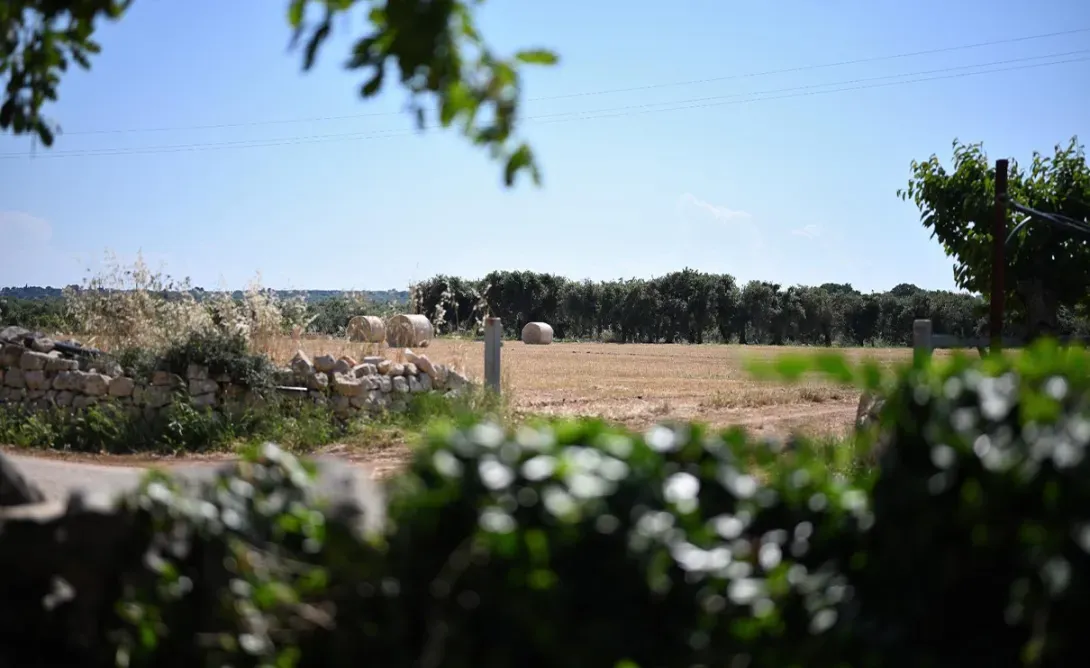
From 25 to 29 May 2026, Marlena Żur-Lewandowska, an Innovation Broker at the GMU Technology Transfer Office, took part in a study visit titled ‘Agricultural Advisory Services and EIP Operational Groups as a Driver of Modern Agricultural Development’ in the Apulia region of Italy. The visit was organised by the Pomeranian Agricultural Advisory Centre in Lubań.
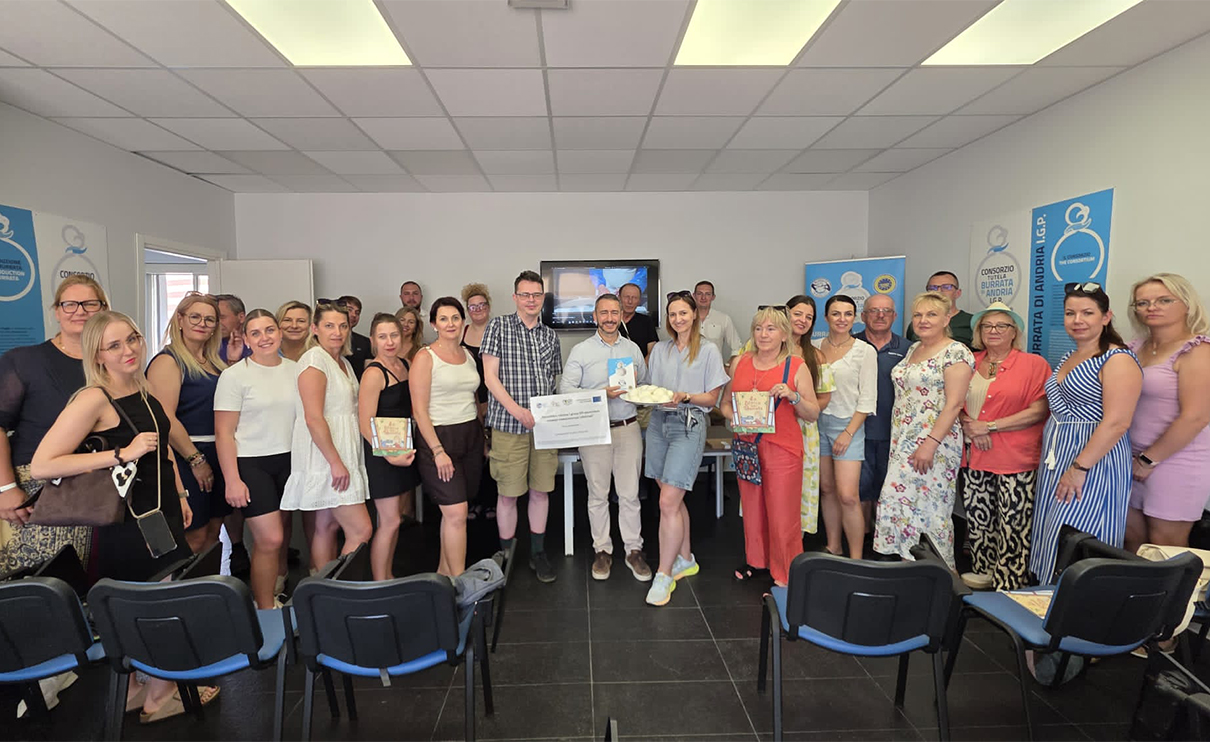
The aim of the visit was to gain insight into the Italian agricultural advisory system, the operation of European Innovation Partnership (EIP) Operational Groups, and the implementation of food-sector innovations. It also provided an opportunity to exchange experiences regarding knowledge transfer between academia and industry.
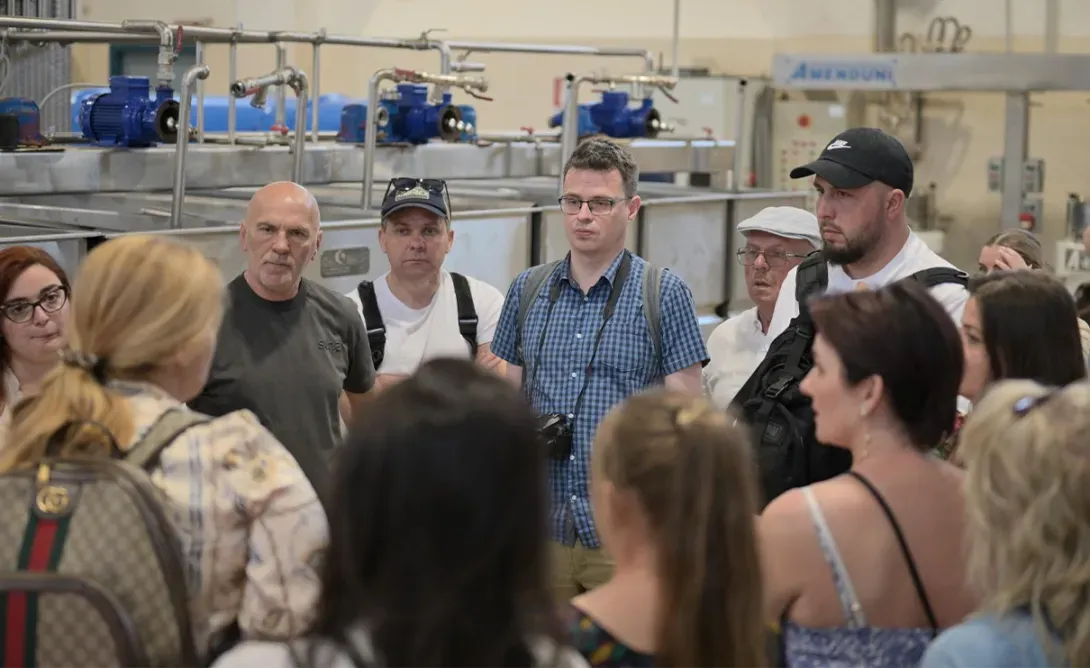
The programme included meetings with representatives of institutions supporting agricultural development, companies from the agri-food sector, and members of the Italian academic community. Particular attention was given to cooperation mechanisms involving farmers, entrepreneurs, research institutions, and public administration bodies. Participants learned about successful examples of using European funding to implement innovative solutions, support farm digitalisation, and develop modern, partnership-based cooperation models.
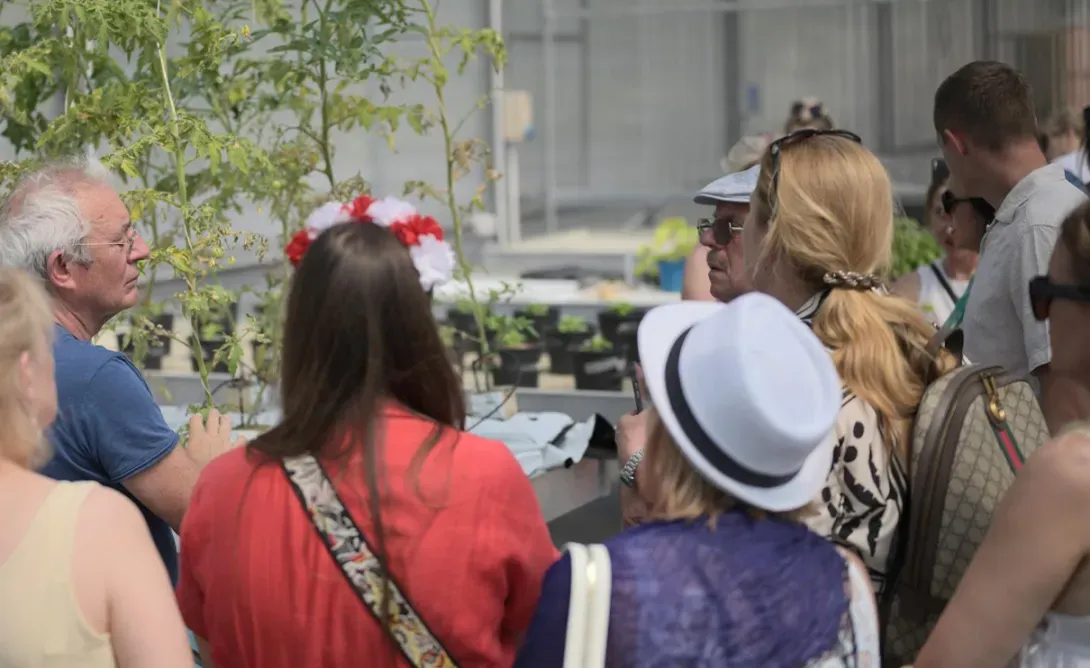
An important element of the programme was a visit to the University of Bari Aldo Moro, where examples of effective transfer of research results to industry were presented. Projects related to the commercialisation of microgreens production technologies, as well as initiatives focused on biodiversity protection and the preservation of plant genetic resources, drew particular interest. Participants also learned about the activities of the University of Bari Technology Transfer Office, which supports intellectual property protection, innovation development, and collaboration between academia and industry.
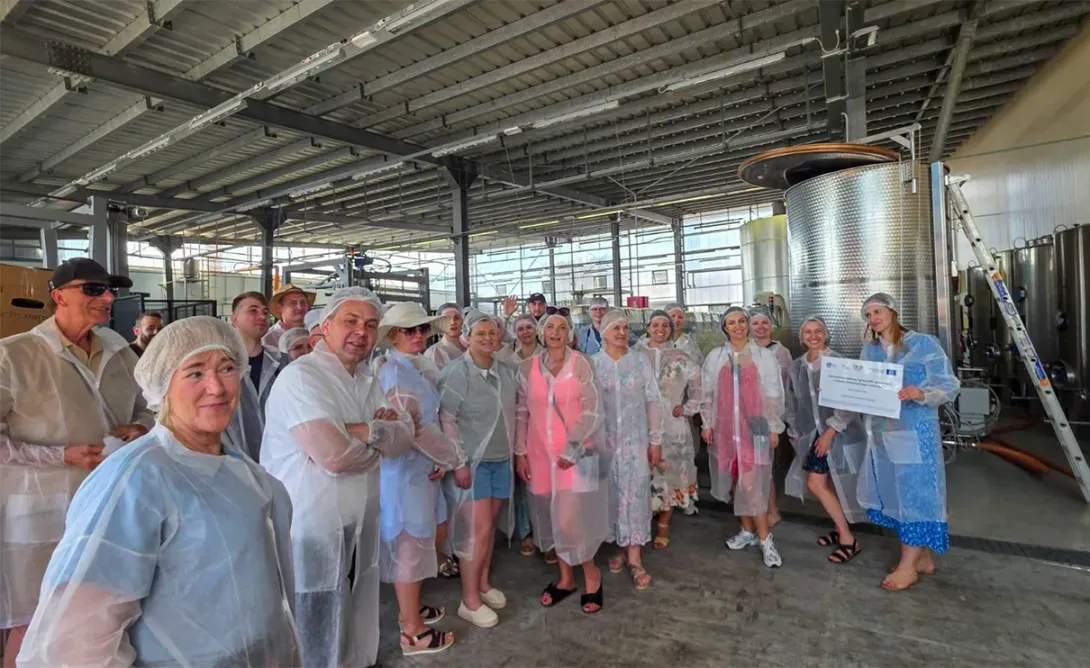
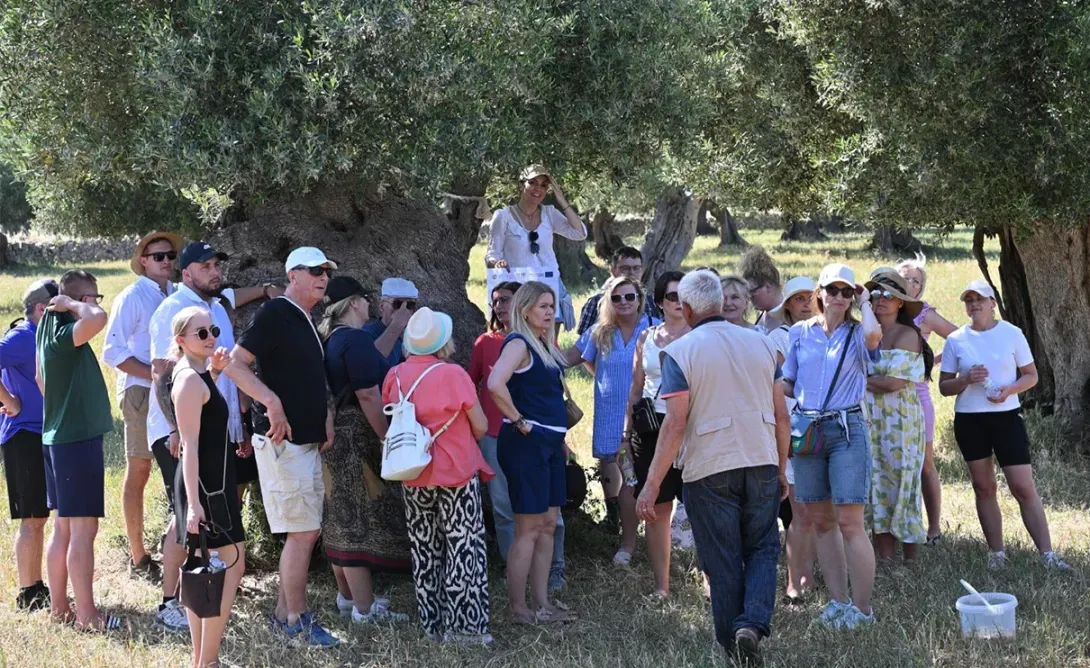
During the study visit, participants visited the extra virgin olive oil cooperative Cooperativa I Tre Campanili and Cooperativa Crifo, one of the largest wine cooperatives in the Apulia region. Modern organisational and technological solutions supporting the competitiveness of local producers were showcased, alongside examples of the effective operation of the cooperative model within the agri-food sector.
The programme also included meetings with organic food producers and representatives of organisations dedicated to protecting and promoting high-quality regional products. A particularly valuable experience was a visit to Consorzio Burrata di Andria, a consortium of producers of the traditional Burrata di Andria cheese, which holds Protected Geographical Indication (PGI) status.
Participation in the visit provided an opportunity to promote the research and innovation potential of Gdynia Maritime University and the activities of its Technology Transfer Office. During numerous meetings, opportunities for cooperation in research and development projects, the commercialisation of research results, and the joint acquisition of national and European funding were presented. New contacts were established with representatives of research institutions, industry organisations, and businesses, creating a foundation for future international initiatives.
The exchange of experience and the promotion of GMU’s activities on the international stage also form part of the activities carried out under the Science4Business project, which aims to strengthen cooperation between academia and business and enhance the effectiveness of knowledge and technology transfer. The insights gained, professional contacts established, and best practices identified during the visit regarding research commercialisation and innovative partnerships will be integrated into the activities of the GMU Technology Transfer Office, supporting the further development of academia–business cooperation at both national and international levels.

The activity is carried out under Task No. 1, 'Development Incubator', of the non-competitive project entitled 'Science4Business – Science for Business', co-financed by the European Union under Measure 2.5 of the European Funds for a Modern Economy Programme 2021–2027.