
Technology Transfer Office Represents GMU at National IP Commercialisation Conference
23.05.2026 | 2 min. czytania
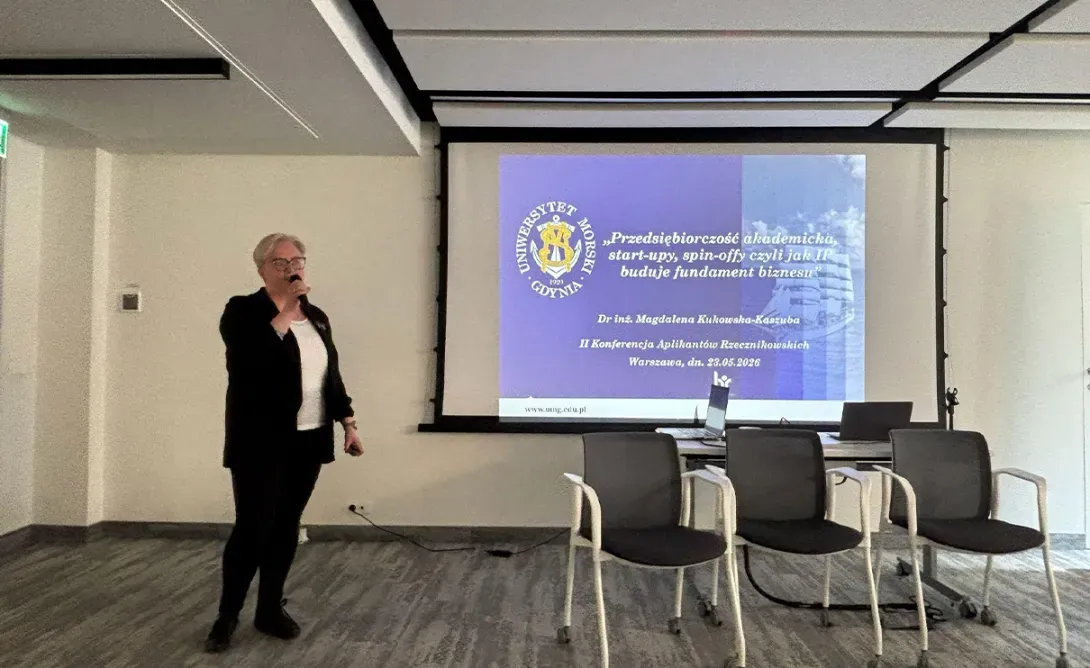
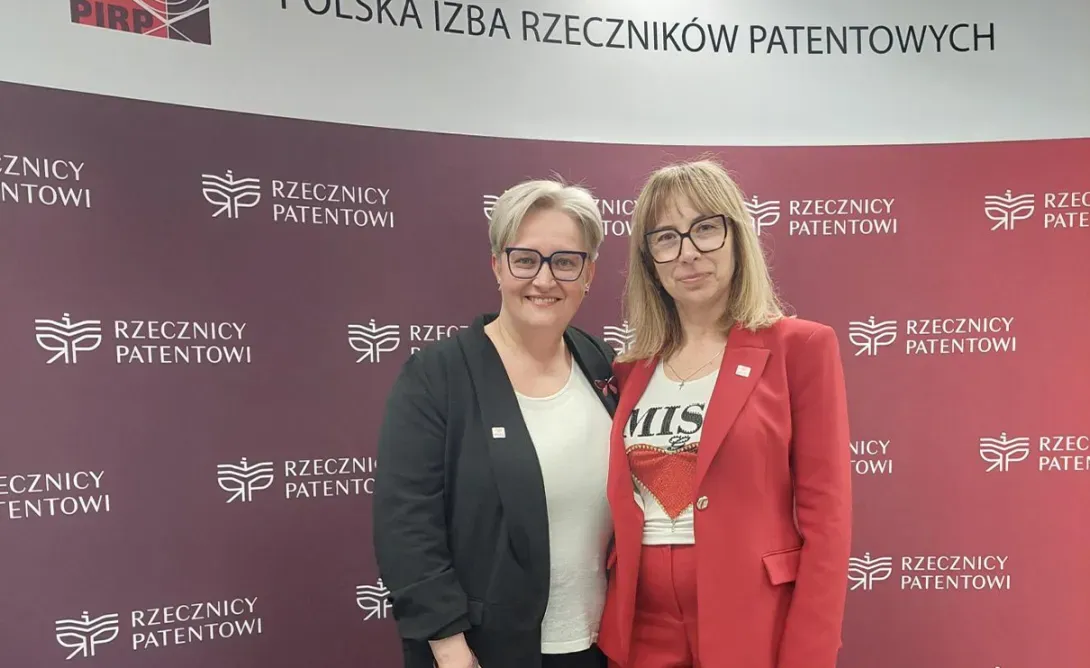
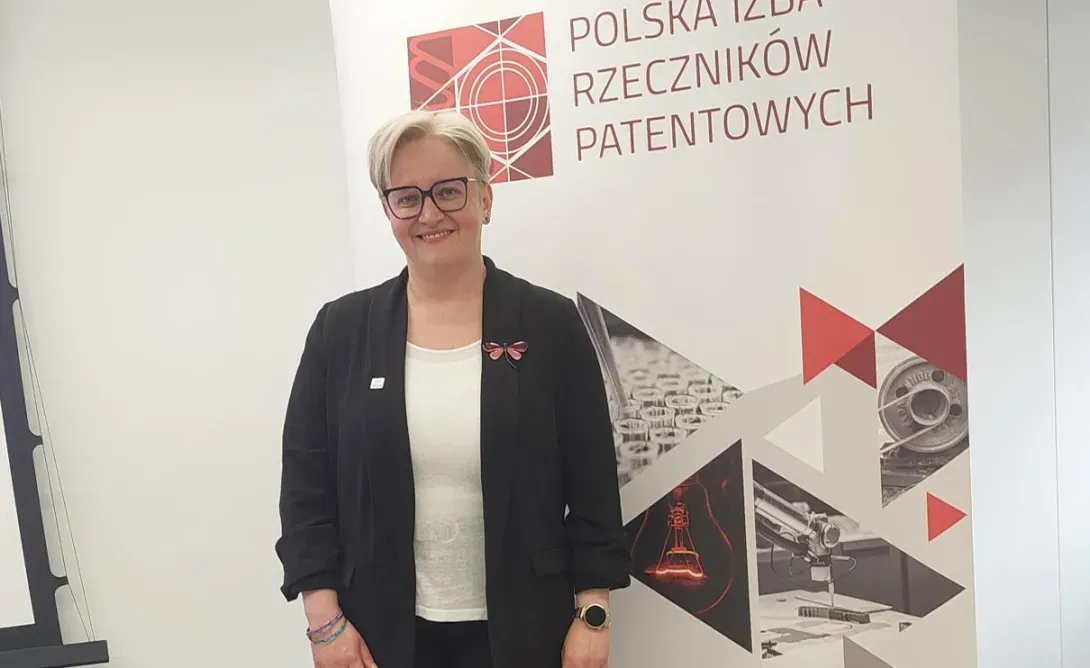
On 23 May 2026, the Warsaw headquarters of the Polish Chamber of Patent Attorneys hosted the 2nd Conference of Trainee Patent Attorneys, centred around the theme ‘IP Commercialisation’ Dr Magdalena Kukowska-Kaszuba, Director of the GMU Technology Transfer Office, attended the event as a speaker.
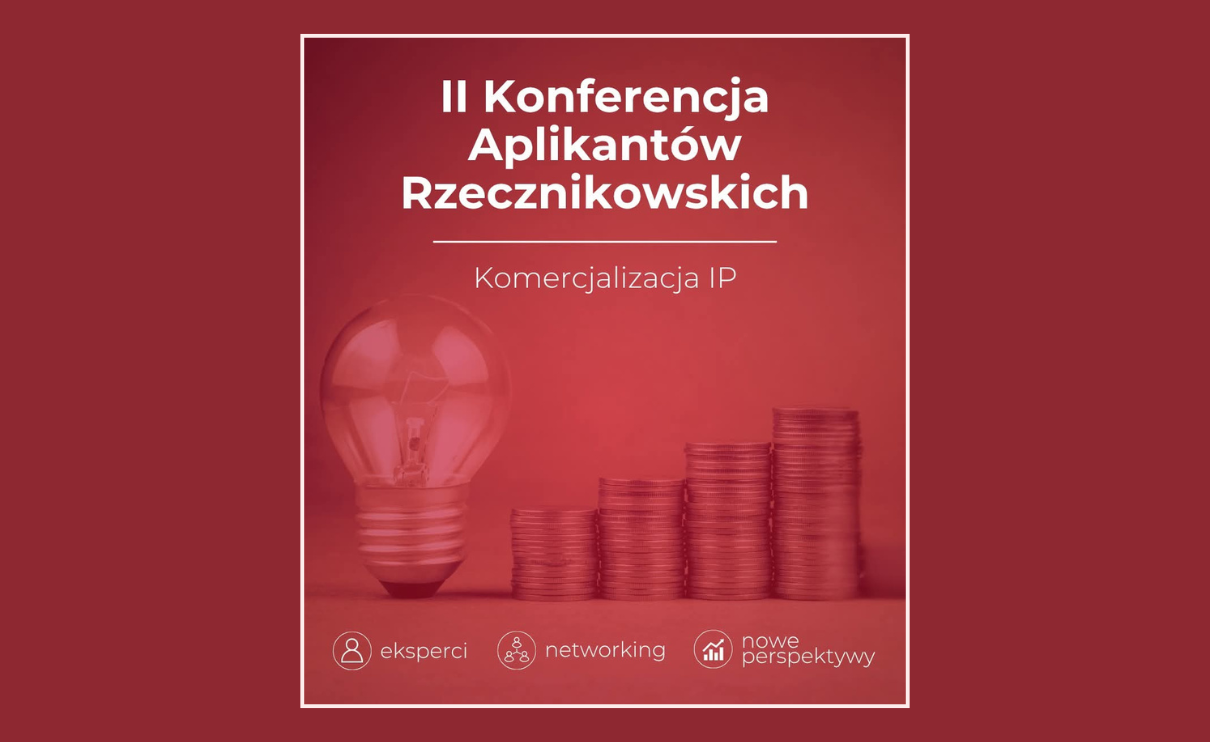
The conference brought together a diverse group of trainee and practising patent attorneys, engineers, legal advisers, and experts spanning academia, business, and public administration. The gathering provided a dynamic forum for discussing innovation within the Polish economy, alongside the vital roles that patent attorneys and technology transfer offices play throughout the commercialisation process – from the initial protection of generated intellectual property to the market implementation of new solutions.
Participants explored effective strategies for safeguarding novel ideas and navigating the often challenging path to local and international markets. Additionally, the event addressed legal regulations surrounding compensation for creators of new solutions, drawing on practical examples from across both the private and public sectors.
The second half of the conference shifted focus to the critical task of building a sustainable, supportive ecosystem for innovation and the creation and development of young companies built on intellectual capital.
This discussion was sparked by Dr Kukowska-Kaszuba’s presentation, titled ‘Academic Entrepreneurship, Start-ups and Spin-offs: How IP Builds the Foundations of Business.’ In her address, she highlighted the need to strengthen collaborative networks among organisations and individuals driving innovation for economic growth. Dr Kukowska-Kaszuba emphasised that university offices, venture capital funds, and government or EU support programmes are essential to the evolution of spin-offs and startups – not only for funding, but also for providing vital access to expertise, mentorship, and professional networks.
Concluding her presentation, she demonstrated the value of specialised tools designed to support IP development and research commercialisation, such as the ‘Science4Business – Science for Business’ initiative. In doing so, she addressed the current needs of the innovation community, reviewed the current successes of Polish spin-offs and startups, and outlined promising new horizons for the country’s innovative economy.
The activity is carried out under Task No. 1, 'Development Incubator', of the non-competitive project entitled 'Science4Business – Science for Business', co-financed by the European Union under Measure 2.5 of the European Funds for a Modern Economy Programme 2021–2027.