Prospects for Academic Cooperation with Uzbekistan: GMU Attends Celebrations Marking 35 Years of Uzbek Independence
18.09.2026 | 2 min. czytania
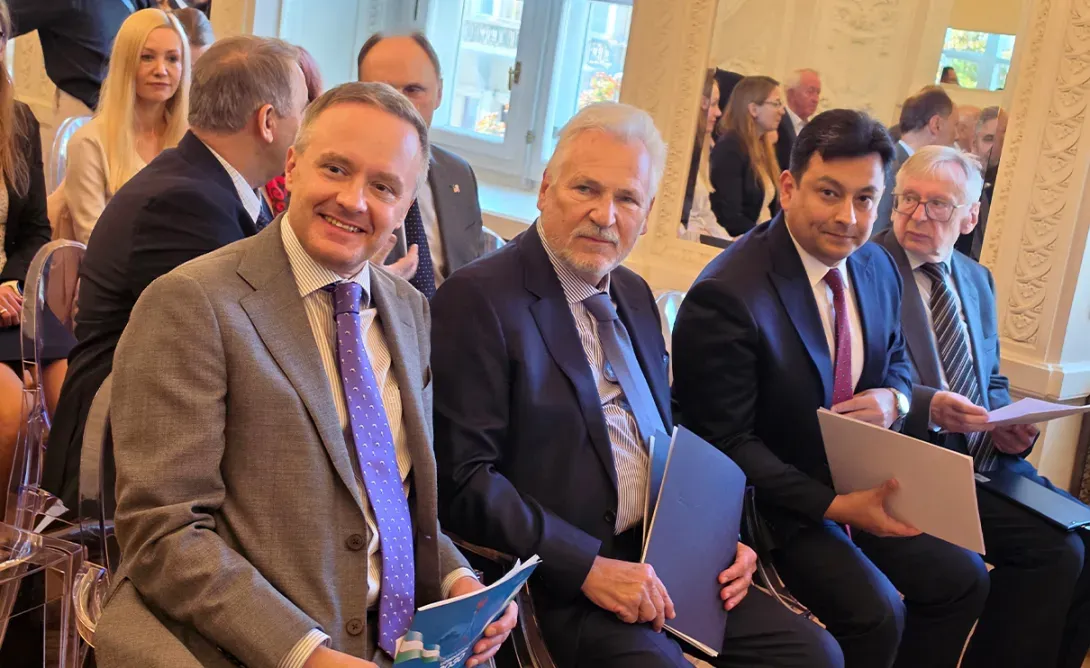
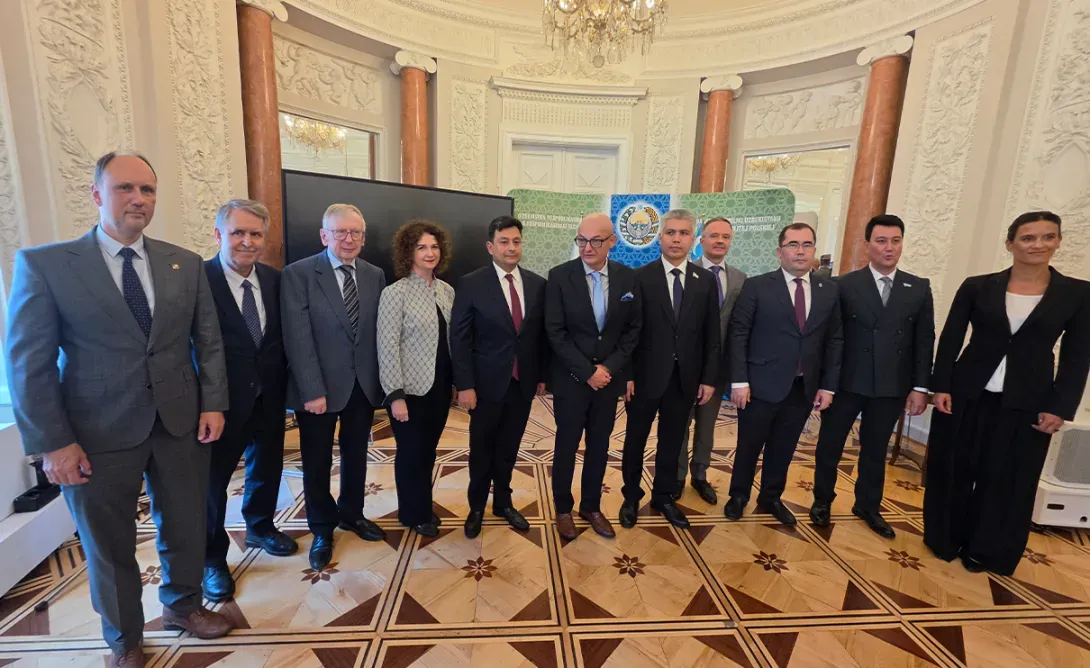
On 16 September 2026, a conference celebrating the 35th anniversary of the independence of Uzbekistan was held at the University of Warsaw Museum. Gdynia Maritime University was represented by Dr Joanna Kizielewicz, Deputy Rector for International Cooperation, alongside Dorota Barzowska, Head of the International Mobility Team.
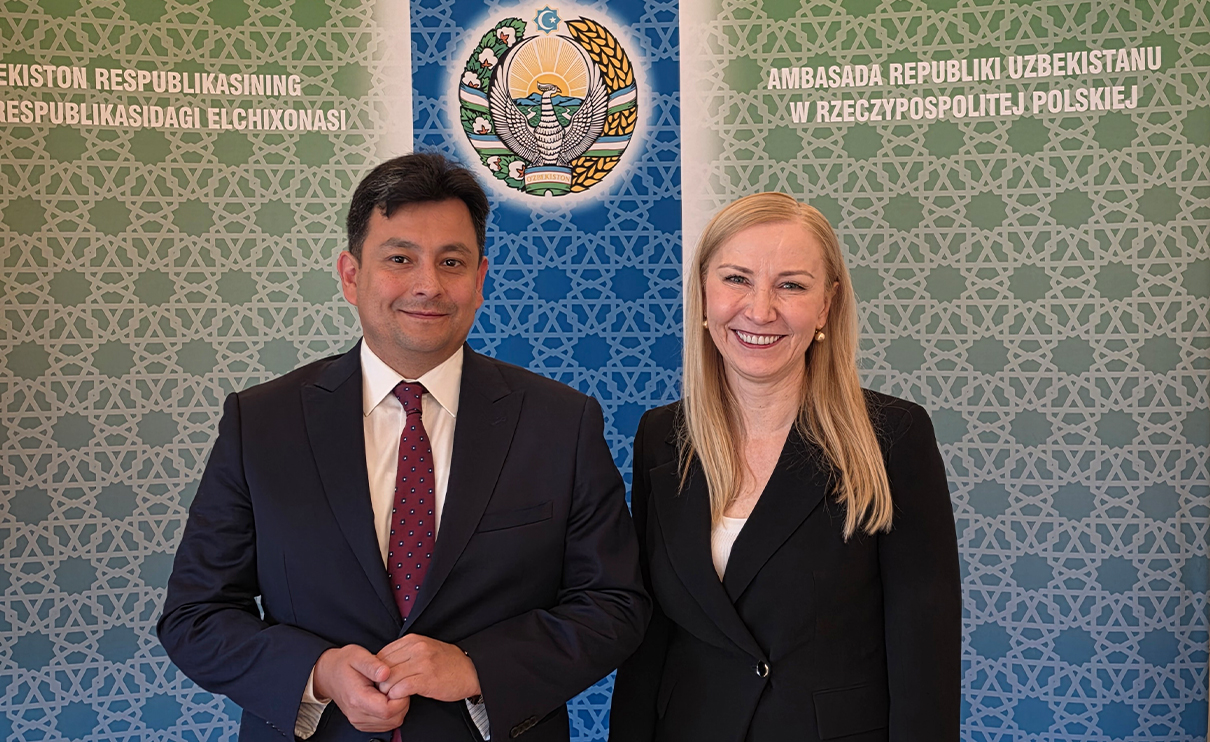
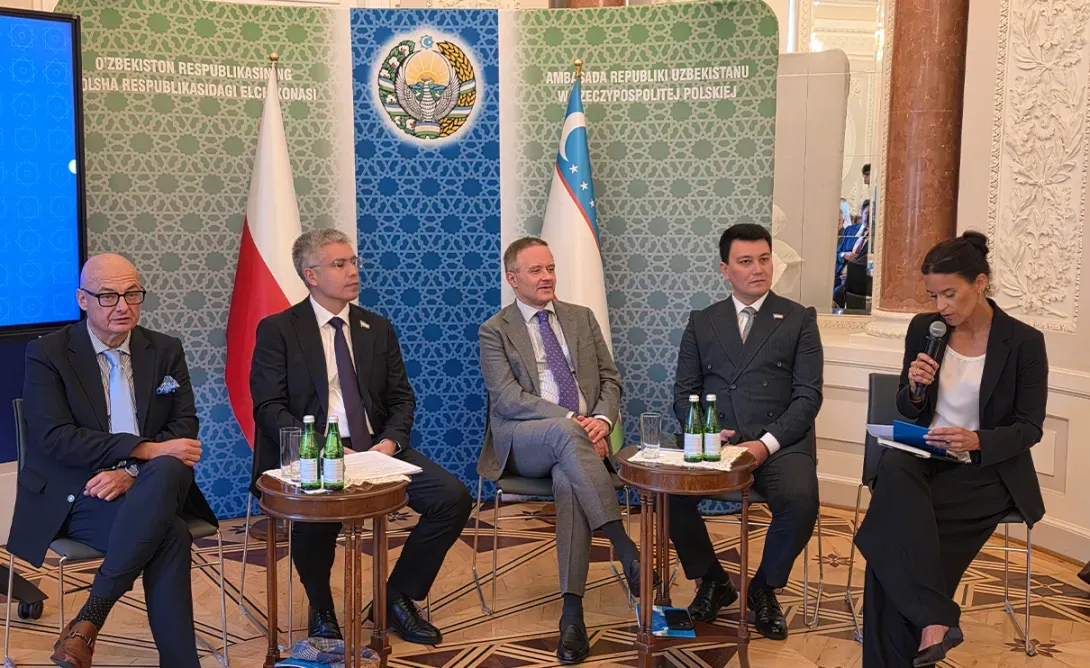
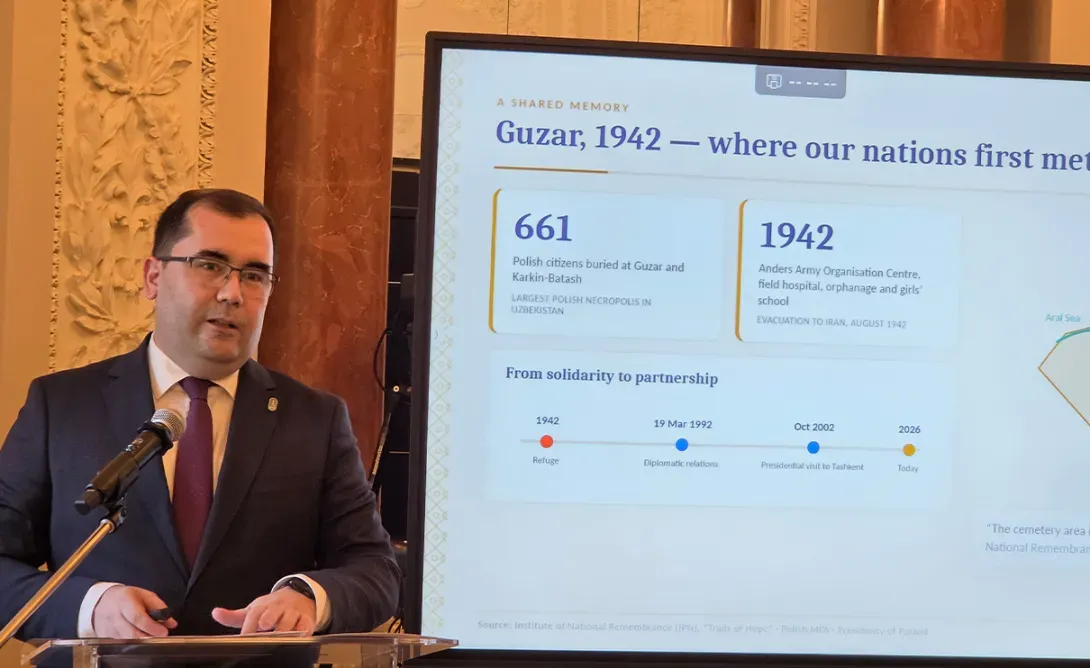
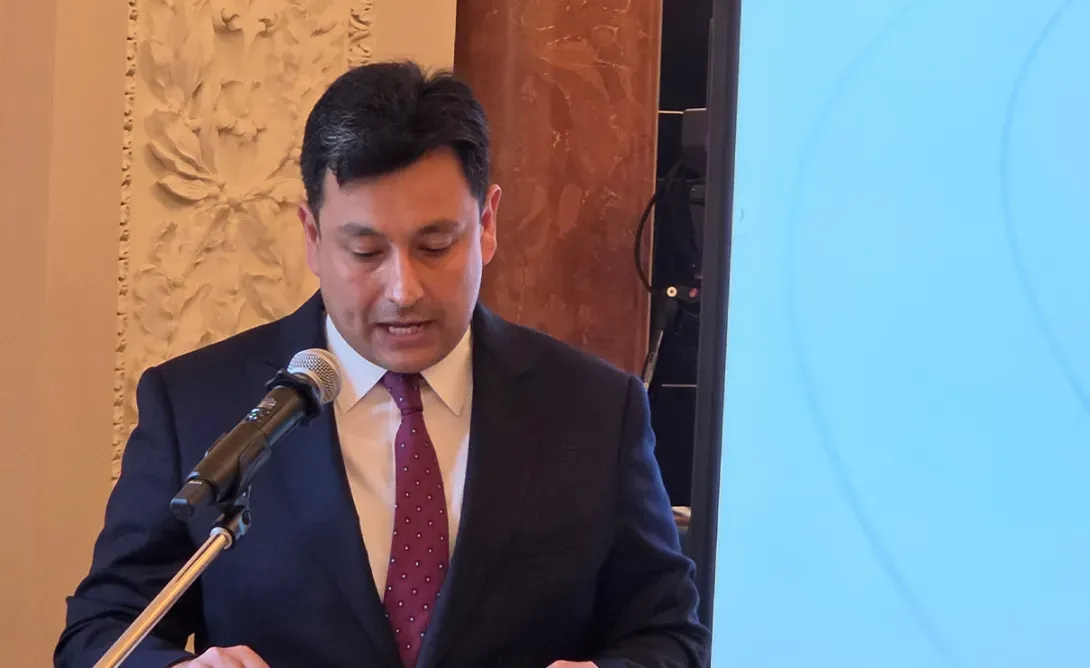
The event, entitled 35 Years of Independent Uzbekistan, was devoted to the reforms taking place in Uzbekistan and the country's development outlook through to 2030. Participants included His Excellency Amirsaid Agzamkhodjaev, Ambassador Extraordinary and Plenipotentiary of the Republic of Uzbekistan to the Republic of Poland, Aleksander Kwaśniewski, former President of the Republic of Poland, and Michał Kamiński, Deputy Marshal of the Senate of the Republic of Poland.
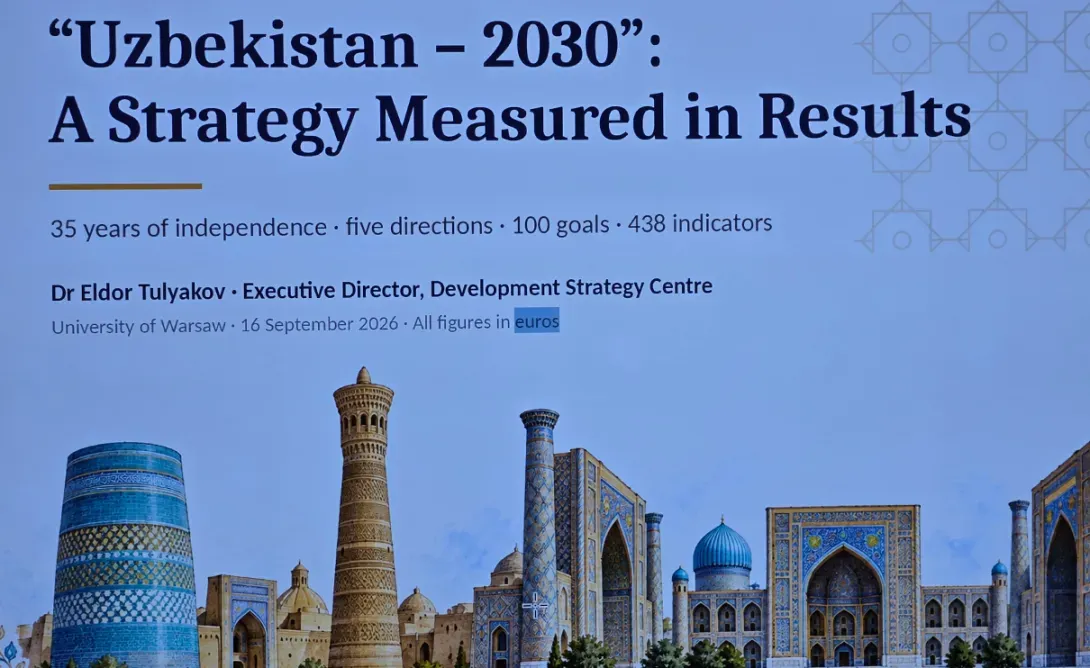
A central agenda item was the presentation of the Uzbekistan 2030 strategy, setting out national socio-economic development priorities. The gathering also provided an opportunity to discuss deepening Polish-Uzbek relations, notably in scientific, educational, and expert cooperation. The organisers included the Embassy of the Republic of Uzbekistan in Poland, the Development Strategy Centre, the Faculty of Political Science and International Studies of the University of Warsaw, the Aleksander Kwaśniewski Foundation Amicus Europae, and the Perspektywy Education Foundation.
The strategy encompasses 100 targets across five priority areas. From an academic perspective, the key provisions focus on increasing the accessibility and quality of education, strengthening institutional capacity within higher education, and driving research and innovation. Key targets scheduled for delivery by 2030 include raising scientific research funding to 1% of GDP, expanding the number of applied research projects to 1,600, and scaling up the commercialisation of scientific research outcomes.
The conference highlighted avenues for furthering bilateral Polish-Uzbek cooperation, specifically within higher education and science. Potential collaborative formats include student and staff exchanges, joint research projects, and quality enhancement initiatives in education.
The priorities mapped out in the strategy frame Uzbekistan as a prospective partner for academic collaboration. Planned economic modernisation, transport network upgrades, energy transition, and digitalisation all offer scope for joint initiatives aligned with Gdynia Maritime University’s profile. Participation in the conference provided GMU’s representatives with first-hand insight into these development pathways and the potential for future research and educational partnerships.