University Vessels
Gdynia Maritime University owns and operates a fleet of three specialised training and research vessels:
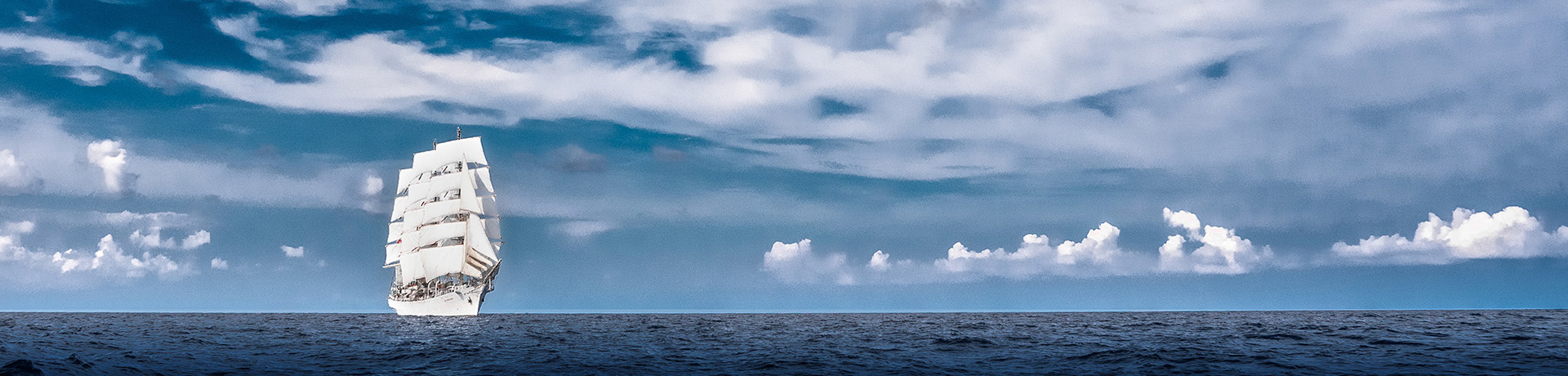
- S/V Dar Młodzieży – An iconic sail training ship and world-famous ambassador representing Gdynia Maritime University, Gdynia, and Poland across the globe
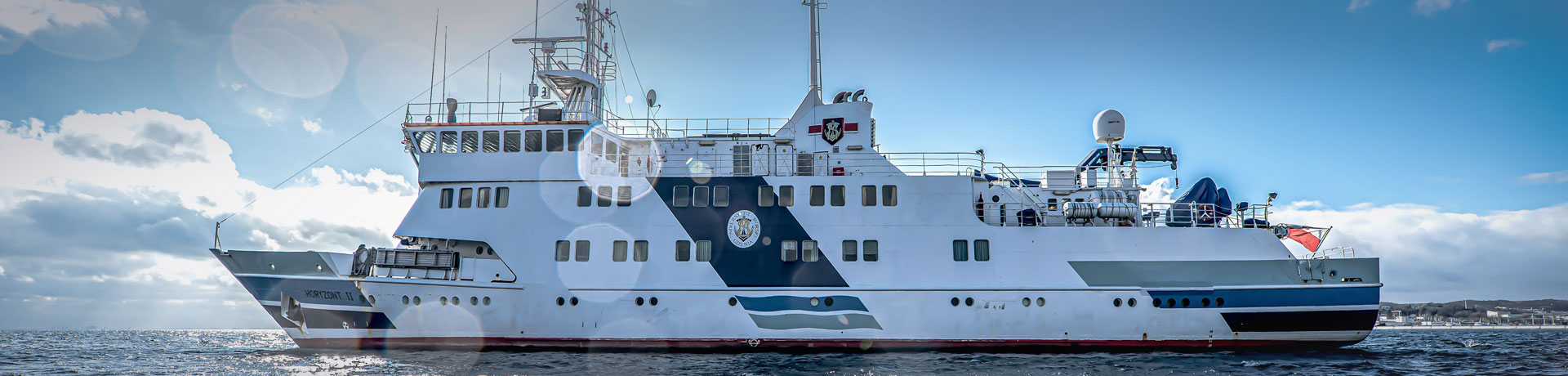
- R/V Horyzont II – An ice-strengthened polar research and training vessel undertaking regular Arctic expeditions to Spitsbergen
-
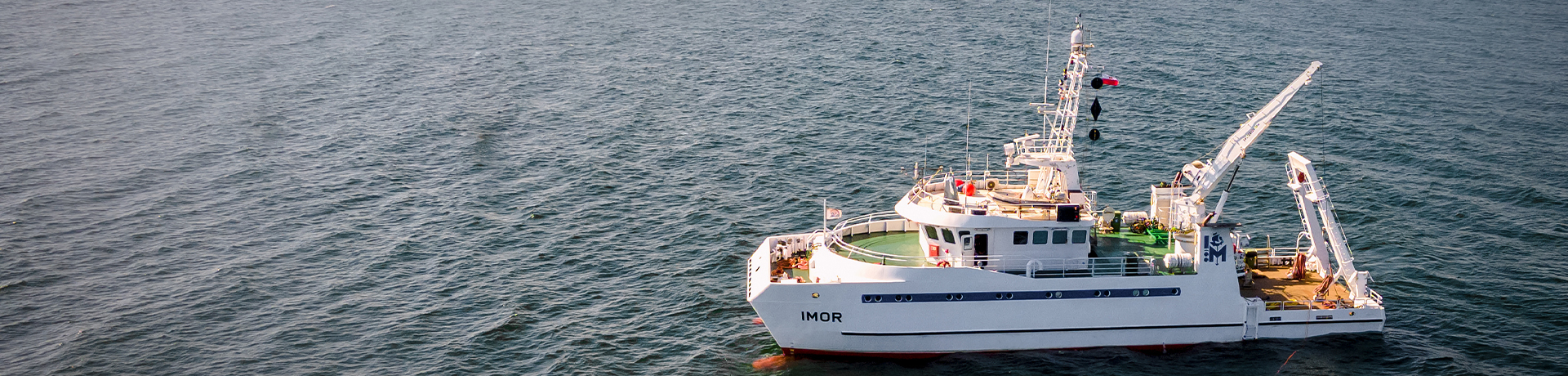
R/V Imor – A highly manoeuvrable shallow-water catamaran engineered for coastal hydrographic surveys and sub-seabed sampling
Built in 1982 at the Gdansk Shipyard. GMU students from the Faculty of Navigation, as well as the University's other faculties, participate in seafarer training on board the Dar Młodzieży, also known as the 'white frigate'. Practical training on board the Dar is also carried out by students at Szczecin Maritime University, students of maritime secondary schools, trainees from foreign ship crew training centres and sailing enthusiasts. Dar Młodzieży has successfully played the role of a seagoing ambassador for Poland, completing many spectacular voyages across all oceans, and twice circumnavigating the globe (sailing around Cape Horn in 1987/88 and on the "Independence Sail" in 2018/2019).

The training and research ship Horyzont II is a modern seagoing teaching laboratory built-in 2000 on the hull of the Polarex polar expedition ship. The unit is equipped with multiple modern navigation systems, which allow students and trainees to improve the knowledge and practical skills required by officers - navigators, mechanics, and electricians - serving on merchant ships. The ship is also equipped to conduct specialist marine research and regularly undertakes expeditions to the polar regions.
The research vessel IMOR, commissioned in February 2006 as a 'floating multi-purpose oceanographic research laboratory', was the first Polish vessel adapted to conduct coastal and shallow floodwater research. Currently, the vessel is primarily tasked with conducting pre-investment research in the Baltic Sea, monitoring the Polish coastal zone, and providing support for the assessment of the resources required for artificial beach nourishment.